
Table of Contents
ToggleA nightstand isn’t just a place to drop your phone at the end of the day, it’s prime real estate for setting the tone of your bedroom. But the difference between a cluttered catch-all and a well-styled surface comes down to intentional choices about scale, function, and editing. Whether you’re working with a simple floating shelf or a two-drawer cabinet, the principles stay the same. This guide walks through practical strategies for creating a nightstand that looks deliberate without sacrificing the everyday items you actually reach for at 11 p.m.
Key Takeaways
- Nightstand decor ideas work best when balancing utility with visual appeal—start with essential elements like a properly-scaled lamp, a surface protector, a small plant, and a curated book or two.
- Create visual interest through layered textures and varying heights by positioning your tallest item in the back, medium objects in the middle, and flat elements in front.
- Minimalist nightstand decor requires limiting items to three to five objects and mastering cable management with adhesive clips or hidden boxes to maintain clean lines.
- Functional decor pulls double duty by combining beauty with purpose—use decorative trays to organize daily items and storage boxes to hide clutter while adding textural contrast.
- Avoid common mistakes like oversized lamps, clutter creep, and rigid matching between nightstands; instead, edit ruthlessly and rotate seasonal touches to keep your bedroom feeling intentional and current.
Essential Elements for a Well-Styled Nightstand
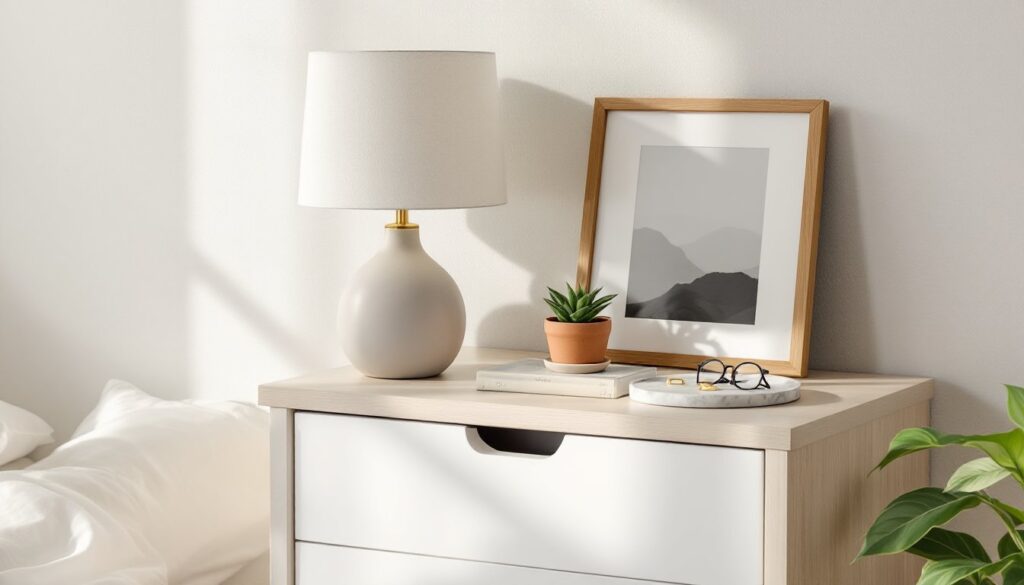
Every functional nightstand benefits from a core set of items that balance utility with visual appeal. Start with lighting, a bedside lamp is non-negotiable for reading and sets the overall scale of the composition. Choose one with a shade diameter between 10 and 14 inches for standard nightstands measuring 20–24 inches wide.
Next, layer in a surface protector, a small tray, dish, or coaster keeps rings off the finish and corrals jewelry, watches, or daily vitamins. Metal, ceramic, or wood options each work: just match the material to your existing hardware or finish palette.
Add one live or faux plant for organic texture. Small succulents, a 4-inch pothos, or a single stem in a bud vase all work without crowding the surface. If your nightstand sits in low light, skip the finicky plants and use a high-quality faux option: modern stems are convincing enough and won’t drop leaves on your floor.
Finally, include one book or small stack (three maximum). These can be current reads or decorative spines that echo your room’s color scheme. Avoid towering stacks, they tip easily and read as clutter rather than curation.
Minimalist Nightstand Decor for a Clean, Modern Look
Minimalist styling thrives on restraint and negative space. Limit the nightstand to three to five objects total, and ensure each serves a clear purpose or delivers strong visual impact.
Start with a low-profile lamp with a simple base, ceramic cylinders, metal cones, or sculptural wood stems work well. Skip elaborate shades: linen or frosted glass keeps the look streamlined.
Choose a single focal object with intentional form: a small ceramic vase, a turned wood bowl, or a geometric brass tray. This piece anchors the composition and defines the aesthetic direction.
Keep color palettes monochromatic or limited to two tones. Whites, grays, blacks, and natural wood tones layer without visual noise. If you introduce color, do it once, one terracotta pot, one navy book spine.
Cable management matters in minimal setups. Use adhesive cable clips on the back edge of the nightstand or a small cable box tucked behind the lamp base to keep charging cords from breaking the clean lines. Exposed cords undermine the entire look.
Layered Textures and Heights for Visual Interest
Flat, uniform surfaces read as dull. Creating depth requires deliberate variation in height, texture, and scale.
Use the rule of thirds for height: position your tallest item (usually the lamp) toward the back, a medium-height object (a plant, candlestick, or small frame) in the middle zone, and a low, flat element (tray, book stack, dish) at the front.
Many home styling guides emphasize mixing materials within a confined space. Pair smooth ceramic with rough linen, glossy metal with matte wood, or woven rattan with polished stone. Three different textures across five objects is a functional target.
Risers and stacking add height without extra footprint. A small pedestal or a book lifts a candle or small sculpture. Vintage wooden boxes, stone blocks, or even upside-down terracotta pots (if finished neatly) can elevate objects and create visual layers.
Be intentional with symmetry. Perfect symmetry feels formal: slight asymmetry (one tall object left, two shorter objects clustered right) reads relaxed and curated.
Functional Decor: Combining Beauty with Purpose
The best nightstand decor pulls double duty. Form and function don’t compete, they reinforce each other.
A decorative tray organizes keys, lip balm, or hand lotion while defining a visual boundary. Look for trays with low sides (under 1 inch) so items remain accessible. Leather, lacquered wood, or marble finishes elevate everyday objects.
Small storage boxes or lidded jars hide charging cables, earplugs, hair ties, or medications without sacrificing surface area. Ceramic canisters, rattan boxes with lids, or turned wood vessels keep clutter contained and add textural contrast.
If space allows, a small clock serves both aesthetics and function, especially for those who prefer not to check their phone first thing in the morning. Analog styles in brass, wood, or ceramic often look more intentional than digital displays.
Many decor projects also incorporate practical lighting solutions. Swing-arm wall sconces free up surface space entirely, allowing the nightstand to hold only decorative elements while still providing task lighting for reading. If drilling into the wall isn’t an option, a clip-on reading light attached to a headboard achieves a similar result.
Seasonal and Personal Touches to Make It Your Own
Rotating decor with the seasons keeps a bedroom feeling current without requiring a full redesign. Small swaps take minutes and use items you likely already own.
In spring and summer, introduce lighter tones and organic textures: a small vase with fresh-cut stems, linen coasters, or a pastel ceramic dish. White or blush flowers, eucalyptus sprigs, or even flowering branches from the yard work well.
Fall and winter call for warmer tones and heavier materials: a brass candlestick with a taper, a wool or velvet book cover, darker wood tones, or a small bowl of pinecones or dried citrus slices. Swap out bright whites for creams, taupes, and charcoals.
Personal objects ground the space and prevent it from feeling staged. A small framed photo (4×6 or 5×7) leans against the wall or sits in a simple stand. A journal and pen, a cherished paperback, or a small keepsake box add meaning without requiring explanation.
For those interested in seasonal home updates, swapping candle scents is an easy layer. Use citrus or linen fragrances in warmer months, amber or woodsmoke in cooler ones. Just avoid strong synthetic fragrances in a sleeping space.
Common Nightstand Styling Mistakes to Avoid
Even well-intentioned decor choices fall flat when proportions, scale, or function get ignored.
Oversized lamps are the most frequent error. A lamp should be proportional to the nightstand, if the base takes up more than one-third of the surface, it’s too large. The bottom of the lampshade should sit at or just below mattress height for optimal reading light without glare.
Clutter creep is the second pitfall. A nightstand isn’t a junk drawer. If you find yourself stacking mail, half-empty water glasses, and random receipts, institute a nightly reset. Everything on the surface should have a designated spot and a clear reason for being there.
Ignoring drawer storage wastes valuable real estate. Use drawer dividers or small organizer trays to keep the interior functional. A cluttered drawer leads to overflow on top.
Matching nightstands too rigidly can feel stiff. If you have two nightstands flanking a bed, they don’t need to be identical twins, similar height and finish are enough. Varying the decor on each side (one with a plant, one with a small stack of books) adds personality.
Skipping the edit is the final mistake. Less is almost always more. If the surface feels crowded, remove one item. You can always rotate pieces in and out rather than displaying everything at once.
Conclusion
A well-styled nightstand strikes a balance between visual appeal and daily function, it shouldn’t look untouchable or feel chaotic. By anchoring the space with intentional lighting, varying height and texture, and editing ruthlessly, anyone can create a bedside setup that works for real life. Start with the essentials, layer in personal touches, and keep seasonal swaps simple. The result is a bedroom detail that feels purposeful every time you walk in.