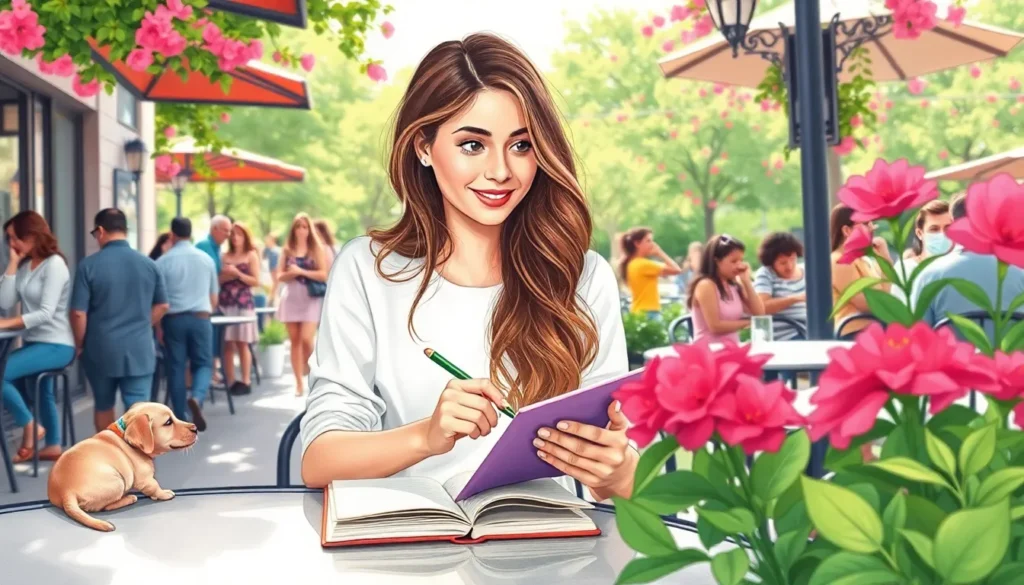

Every artist knows the struggle of facing a blank page. It’s like staring into the abyss, and let’s be honest, the abyss isn’t exactly known for its creative flair. But fear not! Inspiration is lurking around every corner, waiting to strike like a cat on a laser dot. Whether it’s the quirky expressions of your pet, the majestic beauty of nature, or even that strange guy at the coffee shop who thinks he’s a modern Picasso, ideas are everywhere.
Creative Inspiration Drawing Ideas
Artists can find inspiration in numerous ways. Nature often serves as an excellent muse. A vibrant sunset, a blooming flower, or the intricate patterns of leaves all provide rich subject matter. Cityscapes sparkle with energy, showcasing architecture and movement. Observing bustling streets can spark ideas about everyday life.
Pets inspire through their playful antics. Capturing a cat in a playful leap or a dog with a goofy expression adds humor and warmth to drawings. People-watching in cafes or parks reveals unique expressions and interactions, transforming simple observations into artistic concepts.
Exploring different cultures can open new avenues for creativity. Visiting local festivals or markets reveals traditional attire, food, and celebrations. Each element offers distinct colors, shapes, and stories to translate onto the page.
Art prompts also spark imagination. Using quotes, music, or even simple words can trigger visual interpretations. Sketching random shapes or doodling can lead to unexpected results, encouraging creativity.
Combining themes enhances creativity. Merging elements from nature with urban life can produce interesting contrasts. Mixing styles, such as realism with abstraction, pushes artistic boundaries, creating fresh perspectives.
Community activities provide engaging subjects. Volunteering or attending workshops opens doors to new experiences and ideas. Shared moments, whether in teamwork or learning, inspire collaborative illustration concepts.
Utilizing online resources can also help. Platforms like Pinterest or Instagram showcase diverse artworks and styles. Following various artists broadens exposure to different techniques and concepts.
Inspiration flows from active observation and curiosity. Frequent drawing exercises refine techniques while fostering a habit of exploration. Creativity thrives when one embraces the world surrounding them.
Nature-Inspired Drawing Concepts
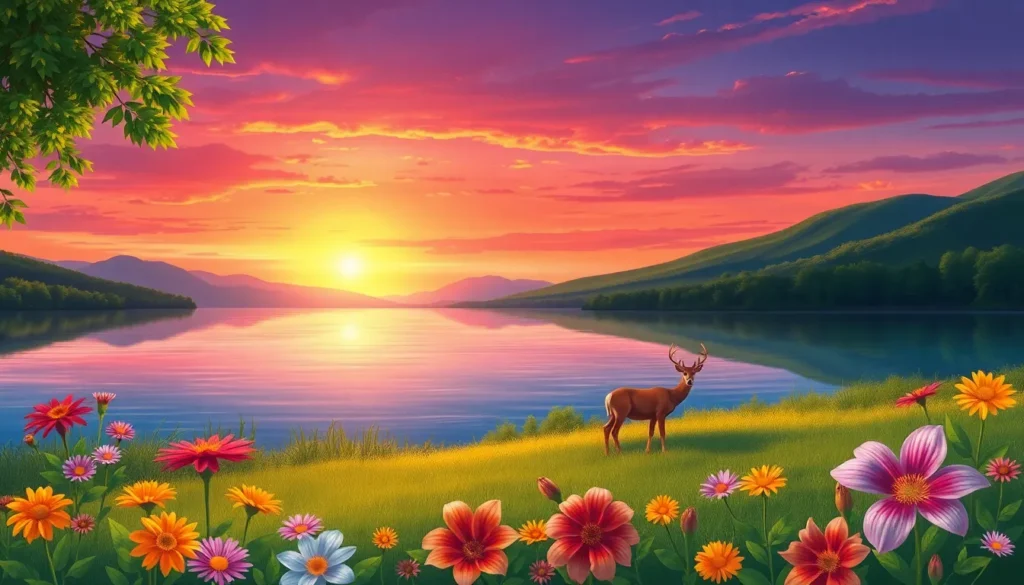
Nature offers endless inspiration for artists. From vast landscapes to intricate details found in flora and fauna, there’s a wealth of subjects to explore.
Landscapes and Scenery
Landscapes capture the essence of a moment in time. Artists can focus on mountains, valleys, rivers, or deserts, showcasing dramatic changes in light and color. Seasonal shifts further enhance this inspiration; lush, green summer scenes differ greatly from the muted tones of autumn foliage. Artists might depict sunsets reflecting on water, highlighting the blending of colors in the sky. Urban landscapes can combine natural elements, such as parks amidst city structures, creating a contrast between the built and natural world.
Flora and Fauna
Flora and fauna present unique drawing challenges and opportunities. Brilliant flowers with intricate petal designs invite detailed study. Artists can replicate texture, shape, and color variations in plants, fostering a connection to nature. Animal life, from domestic pets to wildlife, provides another avenue for exploration. Observing movement, fur patterns, and expressions reveals the personality of animals. Artists can capture the delicate balance of ecosystems in their work, illustrating interactions between plants and animals that thrive together in harmony.
Character and Portrait Ideas
Artists can find unique inspiration through various character and portrait concepts. These ideas often embody creativity and allow for exploration of complex themes.
Fantasy and Mythical Creatures
Fantasy and mythical creatures provide endless possibilities for artistic expression. Artists can create dragons soaring through vibrant skies or fairies dancing in enchanted forests. Unicorns, centaurs, and mermaids add layers of intrigue to any illustration. Each character allows for unique interpretations of traits and abilities that spark imagination. For instance, detailing a majestic phoenix can symbolize rebirth and resilience. Incorporating cultural mythologies can enrich the narratives behind these creatures. Creatures from folklore offer not only diversity but also a chance to explore the fusion of human emotions with fantastical elements.
Emotional Expressions
Portraying emotional expressions captures the essence of the human experience. Artists often focus on the subtleties of facial features to convey genuine feelings. A furrowed brow can signify anger or confusion, while a soft smile radiates warmth and happiness. Illustrating different emotions through varied poses enhances the connection between character and viewer. Techniques like exaggerating features or using vibrant colors deepen the emotional impact. Capturing moments such as laughter or contemplation adds dynamism to portraits. Exploring a range of emotions allows artists to become storytellers, inviting viewers to connect on a personal level.
Abstract and Conceptual Drawings
Abstract and conceptual drawings challenge artists to think beyond the literal and explore emotions, ideas, and sensations. With no clear form, these pieces invite viewers to interpret based on their perceptions.
Shapes and Patterns
Shapes and patterns form the foundation of abstract art. Geometric configurations, organic forms, or repetitive designs create visually engaging compositions. Experiments with line weight, curvature, and symmetry can add depth. Incorporating asymmetrical layouts alongside traditional grids fosters dynamic movement. Artists can draw inspiration from nature, architecture, or everyday objects to discover unique shapes. Illustrations that combine familiar forms with unexpected combinations evoke curiosity and invite exploration.
Color Exploration
Color defines the mood and tone of an abstract piece. Vibrant hues stir excitement, while muted tones convey calmness. Experimentation with color gradients offers an opportunity to express emotions visually. Artists can utilize complementary or analogous colors for depth and harmony. Mixing non-traditional palettes also presents a chance to break boundaries and challenge perceptions. Through layering techniques, colors interact and create mesmerizing effects, encouraging viewers to engage on multiple levels.
Everyday Objects as Inspiration
Everyday objects provide a wealth of inspiration for artists. By observing common items, individuals can discover beauty in simplicity.
Still Life Arrangements
Still life arrangements allow artists to explore composition and light. Choosing items like fruits, flowers, and household objects creates visual interest. Placing these elements thoughtfully highlights unique shapes and textures. Varying the arrangement can yield fresh viewpoints, encouraging experimentation. Various lighting conditions, such as natural sunlight or artificial sources, enhance the overall mood. Artists gain from this practice by developing their skills in color blending and shadow work. Additionally, working with everyday items fosters an appreciation for the ordinary, transforming it into extraordinary art.
Personal Souvenirs
Personal souvenirs spark creativity through storytelling. Unique artifacts evoke memories and emotions, providing a rich source of inspiration. Artists can focus on the intricate details of each object, capturing their significance on paper. Items collected from travels, gifts from loved ones, or mementos of special occasions offer valuable themes. By illustrating these objects, artists communicate personal narratives and connect with viewers emotionally. Experimenting with different techniques, like mixed media or collage, can further enhance the representation. This practice invites artists to reflect on their experiences while translating these sentiments into their artwork.
Artists can find inspiration in the most unexpected places. By embracing everyday life and actively observing their surroundings, creativity flourishes. Whether it’s the playful behavior of pets or the intricate details of nature, there’s always something waiting to be transformed into art.
Exploring different cultures and engaging in community activities can also ignite fresh ideas. The world is full of stories and emotions just waiting to be captured on the page.
Ultimately, the key lies in maintaining curiosity and an open mind. Inspiration is everywhere, and with a little exploration, artists can turn the ordinary into the extraordinary.