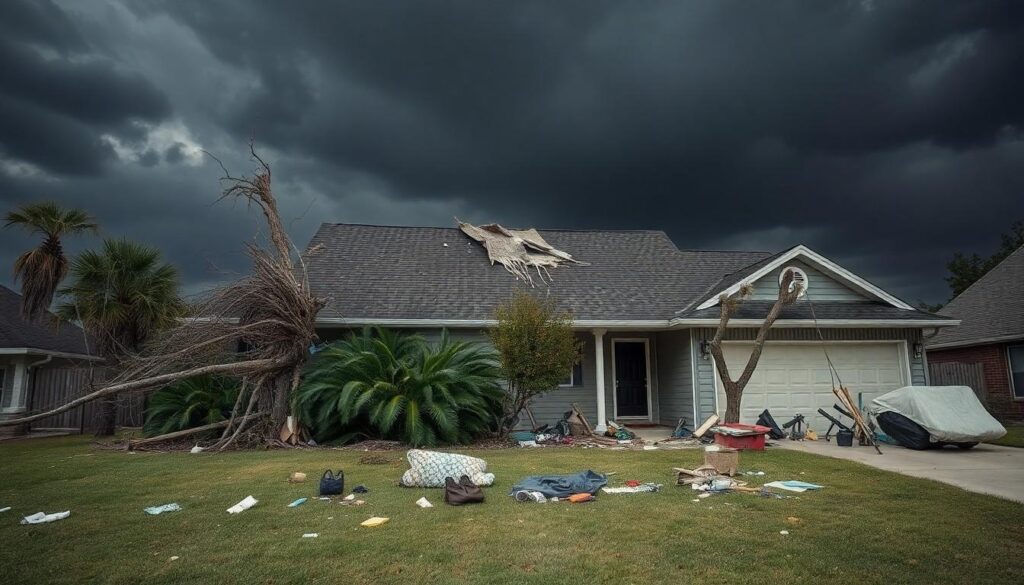

Tornadoes are nature’s way of reminding homeowners that life can flip upside down in a matter of seconds. One moment you’re enjoying a sunny day, and the next, you’re dodging flying cows and wondering if your roof is still attached. With such unpredictable weather, it’s crucial to know if your homeowners insurance has your back when the twister hits.
Understanding Homeowners Insurance
Homeowners insurance provides financial protection for property owners. This coverage varies by policy but typically includes protection against specific risks.
What Is Homeowners Insurance?
Homeowners insurance safeguards against property loss or damage. The policy covers the structure itself plus personal belongings inside the home. Furthermore, it often includes liability protection for injuries occurring on the property. Homeowners can customize their coverage with additional endorsements based on their specific needs. Understanding the details of a policy is essential for adequate financial security.
Common Coverage Types
Several types of coverage exist within homeowners insurance policies. Dwelling coverage protects the physical structure from damage due to covered perils. Personal property coverage extends to personal belongings, such as furniture and electronics. Liability coverage offers protection against legal claims for damages or injuries to others. Additionally, many policies include additional living expenses, covering costs if homeowners cannot occupy their homes due to a covered event. Reviewing these coverage types ensures homeowners are adequately prepared for various scenarios.
Tornado Damage Overview

Tornadoes can cause extensive destruction within minutes, leaving homeowners in a vulnerable position. Understanding the specifics of tornado damage proves crucial for those living in affected areas.
Nature of Tornado Damage
Tornadoes bring high winds that can uproot trees, shred roofs, and demolish entire buildings. Winds may exceed 300 miles per hour in severe cases, wreaking havoc on structures and landscapes. Debris can become projectiles, resulting in secondary damage not directly caused by the tornado itself. Additionally, flooding may accompany tornadoes, causing further complications for homeowners. Damage assessments reveal that losses tend to vary based on the tornado’s intensity and proximity to a structure.
Frequently Encountered Tornado Losses
Common losses from tornadoes include structural damage to homes, destroyed garages, and ruined landscaping. Roofs often require complete replacement due to extreme wind forces. Windows frequently shatter from flying debris, leading to additional property damage. Homeowners also encounter costs for damaged personal belongings, such as furniture and appliances. In many cases, landscaping loss significantly affects property value. Understanding these potential losses assists homeowners in selecting adequate insurance coverage tailored to tornado risk.
Insurance Coverage for Tornado Damage
Homeowners insurance generally covers tornado damage, but coverage specifics vary by policy. Standard policies typically include dwelling coverage, which protects the physical structure, and personal property coverage for belongings destroyed during a tornado.
Does Homeowners Insurance Cover Tornado Damage?
Homeowners insurance often covers tornado destruction, particularly under dwelling and personal property sections. Tornado-related damage, such as wind destruction to roofs or damages caused by fallen trees, falls within many standard policies. However, exclusions may apply based on policy specifics or local regulations. Homeowners must verify their coverage details to ensure they are protected against tornado-related losses.
Factors Impacting Coverage
Coverage for tornado damage relies on several factors, including the specific policy terms, deductibles, and endorsements. Homeowners should assess policy limits, as they might affect compensation for extensive damage. Geographic location influences coverage availability as well; areas prone to tornado activity could have different underwriting guidelines. Additionally, supplementary endorsements can enhance coverage, offering better protection for unique situations linked to tornado risks.
Steps to Take After Tornado Damage
After experiencing tornado damage, homeowners must take systematic steps to address the situation effectively. Protecting property and ensuring safety should be top priorities.
Documenting the Damage
Start by thoroughly assessing the property. Homeowners should capture clear photographs and videos of all damaged areas, including buildings, landscaping, and personal belongings. Detailed records, including lists of damaged items and their estimated values, should be maintained for claims. Additionally, it’s essential to note any injuries sustained during the tornado. Organized documentation forms a crucial part of the claims process and supports future discussions with insurance representatives.
Filing a Claim
Filing a claim should begin as soon as it’s safe to do so. Homeowners need to contact their insurance company and report the tornado damage, providing necessary documentation. It’s vital to review the policy details beforehand to understand coverage specifics and deductibles. During the call, homeowners should ask about the claims process and any forms that need completion. Timeliness is critical, as many insurers require claims to be submitted within a specific timeframe following the event. Keeping a record of all communications ensures clarity and support throughout the insurance process.
Tips for Homeowners
Homeowners must take proactive steps to protect their property from tornado damage. Understanding insurance coverage is essential for adequate preparation.
Reviewing Your Policy
Review the homeowners insurance policy thoroughly to ensure adequate coverage for tornado damage. Clarification on dwelling coverage and personal property protection is key. Examine policy documents for exclusions that might apply in specific situations. Check if the deductible aligns with expected recovery costs in the event of a tornado. Assess policy limits to understand the maximum compensation available. Regular policy reviews, especially after major home renovations, enhance financial security. Discussions with an insurance agent can clarify unclear terms or conditions.
Enhancing Coverage Options
Enhance coverage options by considering additional endorsements specifically targeting tornado damage. Add-ons like extended dwelling coverage provide extra protection for structural repairs. Replacement cost coverage ensures compensation matches current market value for personal belongings. Many policies offer increased limits for valuable items, such as jewelry or electronics, which is crucial if they sustain tornado damage. Investigating options for flood insurance is advisable, as tornadoes can lead to water damage from heavy rainfall. Homeowners should regularly evaluate their insurance needs to adapt to changing circumstances.
Homeowners face significant risks from tornadoes, making it essential to understand their insurance coverage. Most homeowners insurance policies do cover tornado damage, but specifics can vary. It’s crucial for homeowners to review their policies closely to ensure they have adequate protection against potential losses.
By documenting damage and acting quickly when filing claims, homeowners can navigate the recovery process more smoothly. Regularly assessing insurance needs and considering additional endorsements can further enhance protection. Staying informed and prepared is key to minimizing the impact of tornado damage on property and peace of mind.