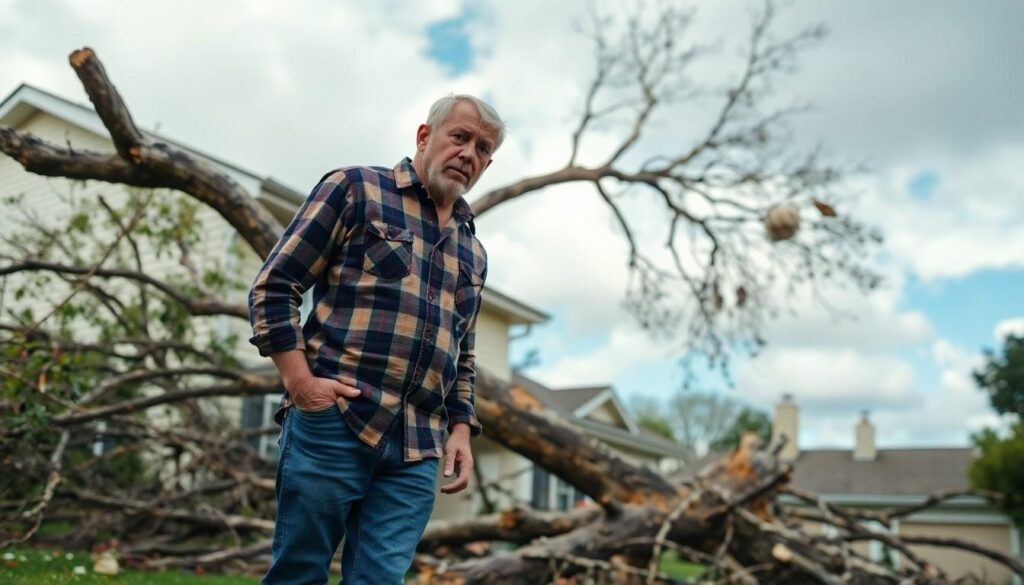

When a storm rolls in and your beloved tree suddenly decides to play the role of a wrecking ball, panic sets in. Homeowners often wonder if their insurance will swoop in like a superhero to save the day—or if they’re left holding the bill for a tree that had a little too much fun.
Understanding Homeowners Insurance
Homeowners insurance offers financial protection against various damages, including those from fire, theft, and certain natural disasters. Coverage typically includes structures, personal property, and liability claims, but exclusions may apply. Understanding specific policy details becomes crucial when assessing damage from fallen trees.
Most homeowners insurance policies cover damage to a home caused by trees if a peril listed within the policy occurs. Windstorms, hail, or lightning events often qualify. Tree removal costs might also be included, yet certain conditions may limit this funding.
Consider that coverage may vary significantly across different insurers and geographical locations. Not all policies automatically include protection for tree-related damage, highlighting the necessity of reviewing the specific policy provisions. That’s why verifying the details of coverage limits and deductibles is essential.
Homeowners should examine events that precipitate tree damage. For instance, if a tree falls due to natural events, the insurance often covers repairs to the house. However, if the tree falls due to neglect or poor maintenance, it may not be covered. Reviewing exclusions ensures homeowners understand when they’re financially responsible.
Consulting with an insurance agent offers clarity regarding coverage options. This step helps homeowners secure adequate protection against unpredictable events impacting their properties. Individuals should review their policies regularly to adapt the coverage according to changing needs and circumstances.
Tree Damage: Types and Causes

Understanding the types and causes of tree damage is crucial for homeowners. Damage can result from natural events or human activities.
Natural Causes
Severe weather often leads to tree damage. Windstorms can uproot or snap branches, causing significant destruction. Heavy snowfall puts stress on tree limbs, resulting in breakage. Lightning strikes may also ignite trees, leading to fire damage. Flooding weakens root systems, making trees susceptible to falling. Each of these natural events can directly impact a homeowner’s property, triggering potential coverage under insurance policies.
Man-Made Causes
Human activities can cause tree damage as well. Construction work near tree roots may lead to damage or destruction of trees. Improper pruning practices can weaken a tree, making it more vulnerable to future storms. Vehicles striking trees can result in both tree and property damage, necessitating repairs. Additionally, vandalism poses a serious risk to trees, which may lead to insurance claims. Awareness of these causes helps homeowners recognize possible coverage implications.
Does Homeowners Insurance Cover Tree Damage?
Homeowners insurance can cover tree damage, but specifics depend on policy details. It’s crucial to recognize the circumstances surrounding the damage.
Coverage Scenarios
Policies often cover tree damage caused by named perils like windstorms or lightning strikes. Such events typically result in compensation for repairs to structures or removal of debris. Damage from trees falling onto homes or other structures usually qualifies for coverage if the peril is listed. Situations where homeowners attempt to mitigate damage, such as removal after a storm, typically get support under most plans. Additionally, if a tree damages a neighbor’s property, liability coverage may also apply.
Exclusions to Consider
Not all tree damage gets covered under homeowners insurance. Neglect or poor maintenance often leads to denied claims. Damage from trees falling during routine maintenance, such as pruning, may also face scrutiny. Situations involving trees on the homeowner’s land that aren’t directly caused by a covered peril typically don’t qualify. Homeowners must also consider exclusions related to specific weather events, which might affect coverage. Reviewing the policy closely ensures awareness of any limitations on tree damage protection.
How to File a Claim for Tree Damage
Filing a claim for tree damage involves several important steps. Start by documenting the damage thoroughly. Take clear photos of the fallen tree, the affected areas, and any property damage caused. These images serve as crucial evidence for claims processing.
Next, review the homeowners insurance policy. Homeowners should understand their coverage limits and any applicable deductibles. Different policies may offer varying coverage for tree damage related to specific perils like windstorms or lightning strikes. Policies often clarify what types of damage qualify for coverage.
Contact the insurance company after gathering documentation and understanding the policy. Most insurers provide a direct number for claims assistance. Friendly representatives can walk homeowners through the claims process and answer any immediate questions.
Submit the claim promptly. It’s essential to do this within the specified timeframe outlined in the policy. Include all required documentation, such as photos and a detailed description of the incident and damage.
Additionally, some insurers may require an inspection of the damage. An adjuster might visit to assess the situation. Being present during this visit can help clarify any questions or concerns that arise.
Stay organized throughout the process. Keep records of all communications with the insurance company, including dates, times, and the names of representatives spoken to. This information can be helpful if issues arise later.
Finally, consider following up on the claim status after submission. Insurers often provide updates, but proactive communication can accelerate the process. Homeowners should remain aware of their rights and responsibilities under their insurance policy.
Homeowners insurance can provide valuable protection against tree damage but understanding the nuances of each policy is crucial. Coverage often hinges on the cause of the damage and the specific terms outlined in the policy. Homeowners should take the time to review their coverage details and consult with their insurance agents to clarify any uncertainties. By being proactive and informed, they can ensure they’re adequately covered for unexpected events. Regular policy reviews can help homeowners stay prepared and protected against the unpredictable nature of tree damage.