
Table of Contents
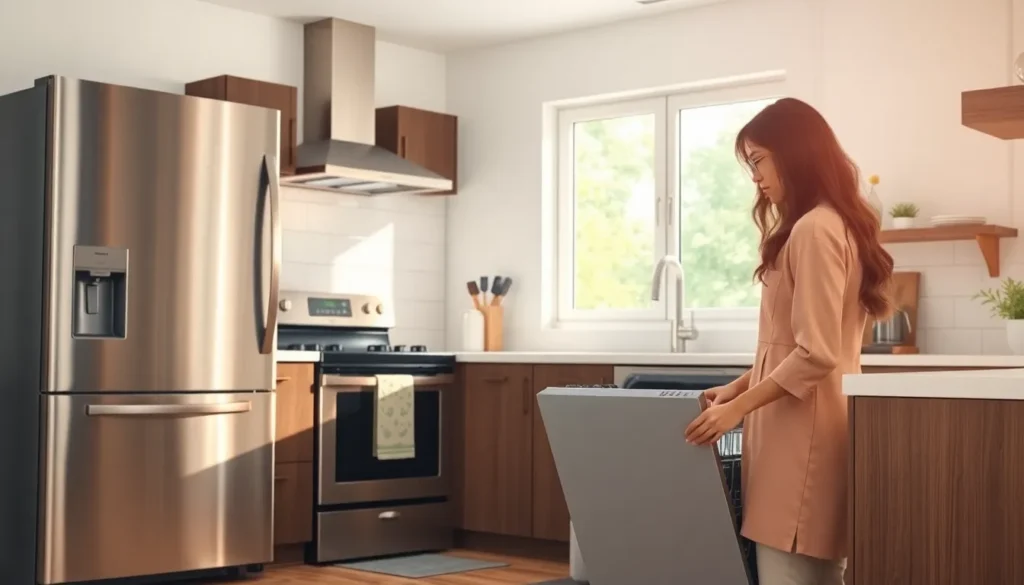
ToggleWhen it comes to home insurance, many homeowners wonder if their beloved appliances are covered. After all, who wouldn’t want to protect their trusty fridge that’s been keeping leftovers fresh for weeks? The truth is, understanding what your home insurance policy covers can feel like deciphering a secret code.
Imagine a world where your dishwasher and washing machine are part of your safety net. Sounds dreamy, right? But before you start daydreaming about your appliances being pampered by insurance, it’s crucial to know the ins and outs of your policy. This article will break down whether home insurance really has your appliances’ backs and what you need to know to keep those kitchen gadgets safe from unexpected disasters.
Overview Of Home Insurance
Home insurance protects property and assets against risks like natural disasters, theft, and accidents. Typically, policies cover the structure of the home, personal belongings, and liability for accidents that occur on the property. Coverage specifics can vary greatly between different insurance providers and individual policies.
Various types of home insurance exist, such as HO-1, HO-2, HO-3, and HO-5, each offering different levels of coverage. HO-3 policies stand as the most common, providing coverage for both the home’s structure and personal property on an open-peril basis. In contrast, an HO-2 policy covers only named perils, which makes it essential for homeowners to carefully review their options.
Home insurance often includes coverage for major appliances, but specific terms apply. Appliances like refrigerators, dishwashers, and washing machines are usually included under personal property coverage. However, homeowners need to verify the policy details, as certain exclusions may apply, such as wear and tear or damage due to neglect.
Understanding the policy’s deductibles also plays a crucial role. Deductibles represent the amount a homeowner must pay out-of-pocket before the insurance coverage kicks in. Higher deductibles may lead to lower premiums but can result in larger out-of-pocket expenses during claims.
Ultimately, homeowners are encouraged to discuss their individual needs with an insurance agent. They can help clarify what is covered, future risks to consider, and the best options available for comprehensive protection of home appliances and other valuables.
Types Of Coverage
Home insurance encompasses various forms of coverage, providing protection for different aspects of a home and its contents. Homeowners must understand these types to ensure their appliances are adequately protected.
Dwelling Coverage
Dwelling coverage focuses on the structure of the home itself. This includes walls, roofs, and built-in appliances like stoves and dishwashers. If disaster strikes, such as fire or wind damage, this coverage helps cover repair costs. Homeowners typically select a coverage amount that reflects current home value. It’s crucial to check the policy, as not all appliances may qualify. Some policies may not cover specific built-in fixtures or systems, emphasizing the need to read the fine print.
Personal Property Coverage
Personal property coverage addresses the contents within the home, such as furniture and portable appliances. This type of coverage often includes major appliances like refrigerators and washers. Homeowners usually choose this based on the total value of their belongings. Events like theft or accidental damage may trigger claims under this coverage. However, exclusions may exist, often related to wear and tear. As a result, homeowners must evaluate their policy specifics to understand what’s included and what’s not.
Appliances Covered By Home Insurance
Home insurance coverage often includes specific protections for appliances. Understanding these classifications helps homeowners determine their policy’s limits.
Major Appliances
Major appliances such as refrigerators, ovens, and washing machines typically fall under personal property coverage. Items in this category benefit from protection against risks like fire or theft. It’s crucial to note that coverage levels can differ by policy type and provider. For example, homeowners with HO-3 policies may find major appliances included, while those with basic plans might see exclusions. Homeowners need to check for specifics related to wear and tear, which often do not qualify for coverage. Consulting insurance agents provides clarity on the protection available for these essential items.
Small Appliances
Small appliances include items like toasters, microwaves, and coffee makers. Often covered under personal property categories, these appliances can also be at risk from common disasters. Policies generally provide coverage for theft or fire damage, but limitations might apply. Homeowners must scrutinize their policy’s fine print for exclusions related to specific appliances. Replacement costs for these items may be subject to depreciation deductions. Homeowners must verify coverage amounts and consider adding endorsements for increased safety regarding small appliances.
Factors Affecting Coverage
Understanding how home insurance covers appliances is essential. Several factors influence the coverage homeowners receive.
Policy Limitations
Policy limitations can significantly impact the coverage of home appliances. Specific exclusions may apply based on the insurance type. For instance, HO-1 and HO-2 policies often provide minimal coverage, whereas HO-3 may offer more comprehensive protection. Homeowners should note that wear and tear frequently falls outside of coverage. As appliance age, depreciation might affect replacement costs. Reviewing the policy details reveals essential information regarding what is covered and what isn’t. Ultimately, understanding these limitations ensures informed decisions during claims.
Deductibles
Deductibles play a crucial role in homeowners’ insurance claims for appliances. A higher deductible generally leads to lower premiums, but it might increase out-of-pocket costs when replacing appliances. Homeowners often select a deductible based on their financial comfort. It’s important to note that claims for appliance replacement may incorporate the deductible amount, affecting the final settlement. Regularly evaluating the deductible in relation to appliance values helps clarify the potential costs. Maintaining open communication with insurance providers facilitates a better grasp of how deductibles impact claims related to home appliances.
Steps To File A Claim
Filing a claim efficiently involves a few straightforward steps. First, gather all necessary information, such as the policy number, details of the loss, and any supporting documents related to the affected appliances.
Next, contact the insurance provider as soon as possible. Reporting the claim within a reasonable timeframe often speeds up the process. Most insurance companies provide a hotline or online portal for claims submission, making it accessible.
After reporting the claim, complete any required forms. Insurance companies typically have their own documentation processes. Ensure accuracy when filling out details to avoid delays.
Document the damage thoroughly using photographs or videos. Visual evidence helps in presenting a clear case to the insurance adjuster. Include information regarding the make and model of the affected appliances, along with the original purchase receipts when available.
An adjuster from the insurance company may visit to assess the damages. Prepare for this by having all necessary documentation organized. Transparency during this phase helps facilitate a smoother resolution.
Once the assessment is complete, wait for the claim decision. Insurance providers often communicate the outcome through email or postal mail. If approved, they usually outline the next steps for compensation.
In case of a denial, review the reasons carefully. Understanding the basis for denial could reveal whether the policy coverage aligns with the claim. Homeowners can challenge the decision by providing additional evidence or seeking clarification from their insurance agent.
Homeowners must take the time to understand their insurance policies when it comes to appliance coverage. While many major appliances are typically included under personal property coverage, it’s essential to verify the specifics. Each policy type may have different exclusions and limitations that could affect claims for appliances.
Regularly reviewing policy details and maintaining communication with insurance providers can help ensure that homeowners have the protection they need. By being proactive and informed, they can safeguard their valuable appliances against unexpected events and avoid potential financial burdens.