
Table of Contents
ToggleImagine waking up to a coffee maker that knows exactly how you like your brew—no more guessing if you’ve got enough caffeine to power through the day. The smart home appliances market isn’t just about convenience; it’s about transforming everyday life into a seamless, tech-savvy experience. With gadgets that can talk to each other, homes are getting smarter, and so are the people living in them.
Overview Of Smart Home Appliances Market
Smart home appliances encompass devices designed to improve convenience and efficiency within households. This market has rapidly expanded due to technological advancements and increasing consumer demand for automation. Market research indicates an expected growth rate of 27.1% from 2022 to 2030, driven by the desire for energy-efficient solutions and enhanced connectivity.
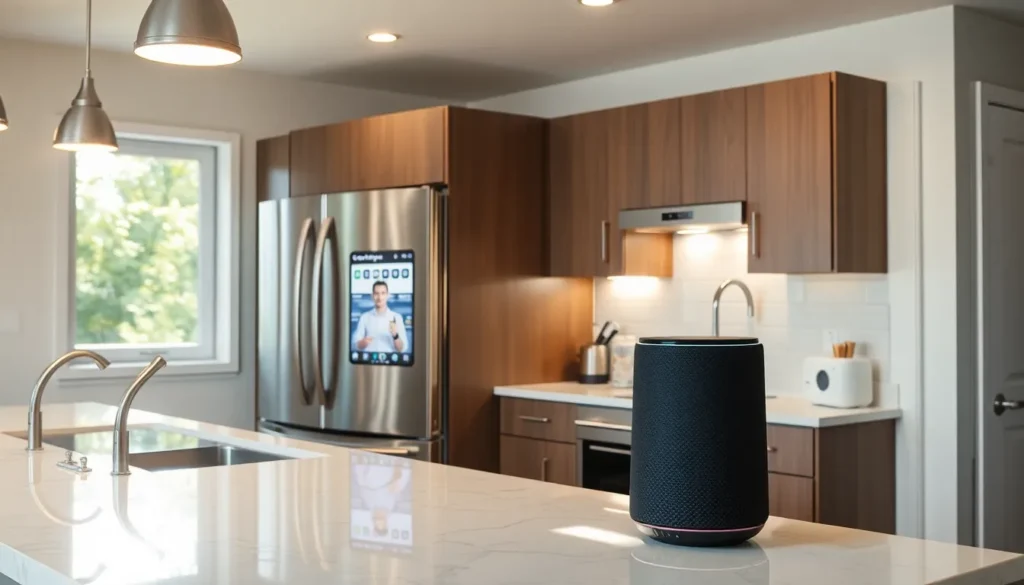
Consumers benefit from various categories of smart appliances, including smart refrigerators, thermostats, and lighting systems. Smart refrigerators offer features like inventory management and integrated shopping lists. Thermostats learn user preferences, optimizing energy consumption while enhancing comfort. Additionally, smart lighting systems allow for customizable ambiance settings and remote control via smartphones.
Companies are investing significantly in research and development to improve the interoperability of these devices. Seamless communication between gadgets fosters a cohesive smart home ecosystem, simplifying the user experience. Industry giants such as Amazon, Google, and Samsung lead the charge, pushing innovation through competitive product offerings.
User adoption rates reflect growing interest in smart home technology. According to a recent report, approximately 45% of U.S. households owned at least one smart device in 2023. The integration of artificial intelligence within appliances further enhances functionality, allowing for predictive behaviors and responsive operations.
Security concerns persist in the market, prompting manufacturers to prioritize data protection. Many smart appliances now incorporate encrypted connections to safeguard user information. Addressing these challenges remains essential for sustaining market growth and ensuring consumer trust.
The smart home appliances market evolves continually, expanding into new territories and demographics. As consumers seek more integrated solutions, the demand for innovative features and reliable performance will shape future developments in this dynamic industry.
Growth Trends And Projections
The smart home appliances market showcases significant expansion trends driven by technological advancements. This continuous growth reflects consumer interest in automation and efficiency.
Current Market Size
The market currently values around $79 billion as of 2023. This figure illustrates a robust increase due to heightened demand for smart technologies within households. Many consumers prioritize convenience, leading to the adoption of devices like smart refrigerators, thermostats, and lighting systems. Statistics reveal 45% of U.S. households own at least one smart device. The overwhelming popularity of these products highlights a shift towards automated living, reinforcing the market’s positive trajectory.
Future Growth Opportunities
Future projections indicate a remarkable compound annual growth rate (CAGR) of 27.1% from 2022 to 2030. This growth is spurred by diverse opportunities, particularly in energy efficiency and home automation. Innovations like artificial intelligence integration elevate appliance functionality. Moreover, emerging trends in eco-friendly solutions cater to environmentally conscious consumers. Manufacturers are crafting devices that enhance interoperability within smart home ecosystems. Expanding internet connectivity and advancements in cybersecurity will also play critical roles in shaping this market’s future landscape.
Key Players In The Market
Smart home appliances thrive due to the innovations and investments of key industry players. Major manufacturers dominate the market, introducing advanced solutions.
Major Manufacturers
Amazon leads the smart home market with its range of devices, including Echo speakers and smart plugs. Google closely follows with its Nest product line, offering smart thermostats and security cameras. Samsung’s SmartThings platform integrates various appliances, enhancing user experience. LG focuses on energy-efficient refrigerators and washing machines equipped with smart technology. Whirlpool contributes with IoT-enabled devices that streamline household tasks. Together, these major manufacturers account for a significant portion of the $79 billion market, embodying the shift towards home automation.
Emerging Startups
Innovative startups are entering the smart home sector, bringing fresh ideas. Companies like Wyze offer budget-friendly smart cameras and bulbs, appealing to cost-conscious consumers. Eve Systems focuses on privacy-centric devices, tailored for home security and automation. Tinklabs designs smart solutions for hospitality, enhancing guest experiences through connected technology. Exceptional products from these startups contribute to the increasing adoption rate, showcasing a vibrant and competitive landscape. As they gain traction, these emerging players play a vital role in shaping future trends within the industry.
Consumer Adoption And Preferences
Consumer interest in smart home appliances is growing rapidly. These devices attract buyers due to their convenience, efficiency, and advanced features.
Factors Influencing Purchases
Price, brand reputation, and product reviews significantly influence consumer purchases. Budget-friendly options appeal to consumers looking to integrate smart technology without high upfront costs. Brand trust plays a critical role in decision-making as many buyers favor established companies like Amazon and Google. The availability of user testimonials also sways choices, often highlighting functionality and performance. Features such as energy efficiency, compatibility with other devices, and user-friendly interfaces drive purchase intent. Energy-efficient solutions frequently resonate with consumers seeking sustainable options, enhancing overall appeal.
Demographic Insights
Adoption rates vary across different demographic groups. Approximately 45% of U.S. households owned at least one smart device in 2023, demonstrating widespread interest. Younger consumers, particularly millennials and Gen Z, show higher engagement with smart technologies, often prioritizing convenience and innovation. In contrast, older generations exhibit cautious adoption, favoring traditional appliances. Urban dwellers are more likely to invest in smart home solutions than rural residents, driven by the availability of high-speed internet. Household income also correlates strongly with adoption, as higher earners tend to spend more on advanced technologies.
Challenges Facing The Market
The smart home appliances market faces several challenges that could impact its growth and adoption rates. A primary concern includes security threats that affect user trust. Security breaches can lead to unauthorized access to devices, raising alarms among consumers. Major breaches in smart home technology compromise personal data, making them wary of incorporating these items into their homes. Security measures must evolve swiftly to address emerging vulnerabilities and maintain consumer confidence.
Integration issues also pose significant obstacles within the market. Smart home devices from different manufacturers often lack seamless interoperability, making it difficult for consumers to create cohesive ecosystems. Users experience frustration when their appliances fail to communicate effectively, which discourages investments in multiple smart devices. Achieving improved compatibility across brands becomes essential for enhancing user experience and driving market growth. Standardization might pave the way for a more unified smart home landscape.
The smart home appliances market is on a remarkable upward trajectory fueled by innovation and consumer demand. As technology continues to advance, the integration of smart devices into everyday life is becoming increasingly seamless. This shift not only enhances convenience but also promotes energy efficiency and sustainability.
Major players and emerging startups alike are driving competition and innovation, catering to diverse consumer needs. The growing interest in smart home solutions reflects a broader trend towards automation and connectivity. While challenges such as security concerns and integration issues remain, the future of the market looks promising.
With a projected growth rate of 27.1% through 2030, the potential for smart home appliances to transform living spaces is undeniable. As consumers embrace these technologies, the market will continue to evolve, shaping the homes of tomorrow.